February 25, 2026
The transparency and structural integrity of the windows in a building are often taken for granted until a crack spreads across the surface or a seal fails, leading to a foggy view of the world outside. Glass is a unique material that combines aesthetic beauty with essential insulation properties, but it is also inherently fragile. When damage occurs, property owners are faced with a pivotal decision: whether to mend the existing pane or spring for a full replacement. This choice involves a careful balance of fiscal responsibility, architectural preservation, and long-term energy efficiency. Understanding the nuances of glass repairs ensures that your home remains a sanctuary of light and safety without draining your savings on unnecessary overhauls.
1. Assessing Structural Damage Severity
The first step in any restoration project is a brutally honest evaluation of the physical state of the pane. Not all cracks are created equal. A hairline fracture caused by a localized impact might be a prime candidate for high-quality glass repairs, utilizing resin injection techniques that bond the material back together. However, if the crack extends from one edge of the frame to the other, the structural stability of the entire unit is compromised.
Deep gouges or "chips" that penetrate through multiple layers of a laminated or double-paned unit also signal a more complex problem. If the damage is purely cosmetic and located away from the critical stress points near the frame, a professional can often buff or fill the area to a near-invisible finish. If the integrity of the tempered safety glass has been breached, the entire sheet is designed to shatter into small granules to prevent injury, making a fix impossible. Identifying the point of no return is essential to avoid spending money on a temporary patch that will inevitably fail.
2. Evaluating Thermal Insulation Efficiency
Modern windows are far more than just clear sheets of silica; they are complex thermal barriers designed to keep heat where it belongs. When a double or triple-pane window develops a fogged appearance between the layers, it indicates that the factory seal has failed and the insulating gas has escaped. While some specialized glass repairs focus on defogging and resealing these units, the success rate varies based on the age of the window.
If the glass is single-pane, the insulation value is already minimal, and a repair might be a simple matter of replacing the glazing putty. For high-performance windows, however, the loss of the vacuum seal means the window is no longer performing its primary job. Property owners must weigh the cost of a specialized seal fix against the long-term energy savings of a new, low-emissivity unit. A window that looks clear but allows heat to pour through is a liability that a simple surface fix might not address.
3. Considering Total Window Volume
The scale of the project often dictates the most logical financial path forward. For a small cottage, fixing a single broken pane is a minor afternoon task. However, for larger estates, the math changes significantly. According to Bob Vila, an online home improvement resource, the average home has 10 windows. When a homeowner realizes that several units are showing signs of age or minor damage simultaneously, it may be more cost-effective to look at a comprehensive maintenance plan rather than isolated patches.
Having several windows in need of attention allows a professional to streamline the labor process. If you are managing multiple glass repairs across a large property, the per-unit cost often drops, making professional intervention more attractive than a DIY attempt. Conversely, if the majority of those windows are reaching the end of their expected lifespan, the cumulative cost of repeated mending might eventually surpass the price of a total upgrade.
4. Reviewing Historical Architectural Value
In many older homes, the glass itself is a piece of history. Antique "wavy" glass or stained-glass inserts possess a character and craftsmanship that modern manufacturing cannot easily replicate. For these heritage properties, the priority shifts from pure energy efficiency to meticulous preservation. Opting for specialized glass repairs in these instances is often the only way to maintain the historical accuracy and market value of the home.
Restoring historic glazing requires a delicate touch and traditional materials like linseed oil putty, and hand-cut points. While these fixes can be more labor-intensive and expensive than swapping out a modern sash, the investment pays off in the preservation of the home’s aesthetic integrity. In these scenarios, the glass is treated as fine art rather than a construction commodity. A skilled artisan can often reinforce old sills or fill small cracks in a way that respects the original artisan’s work while ensuring the window remains weather-tight for another generation.
5. Calculating Long-Term Maintenance Costs
Every penny spent on a fix should be viewed through the lens of future expenses. A cheap, DIY resin kit might hide a chip for a few months, but if it yellows in the sun or fails during a freeze, you have essentially thrown that money away. Professional glass repairs typically come with a warranty or a guarantee of workmanship, providing peace of mind that the fix will endure the elements.
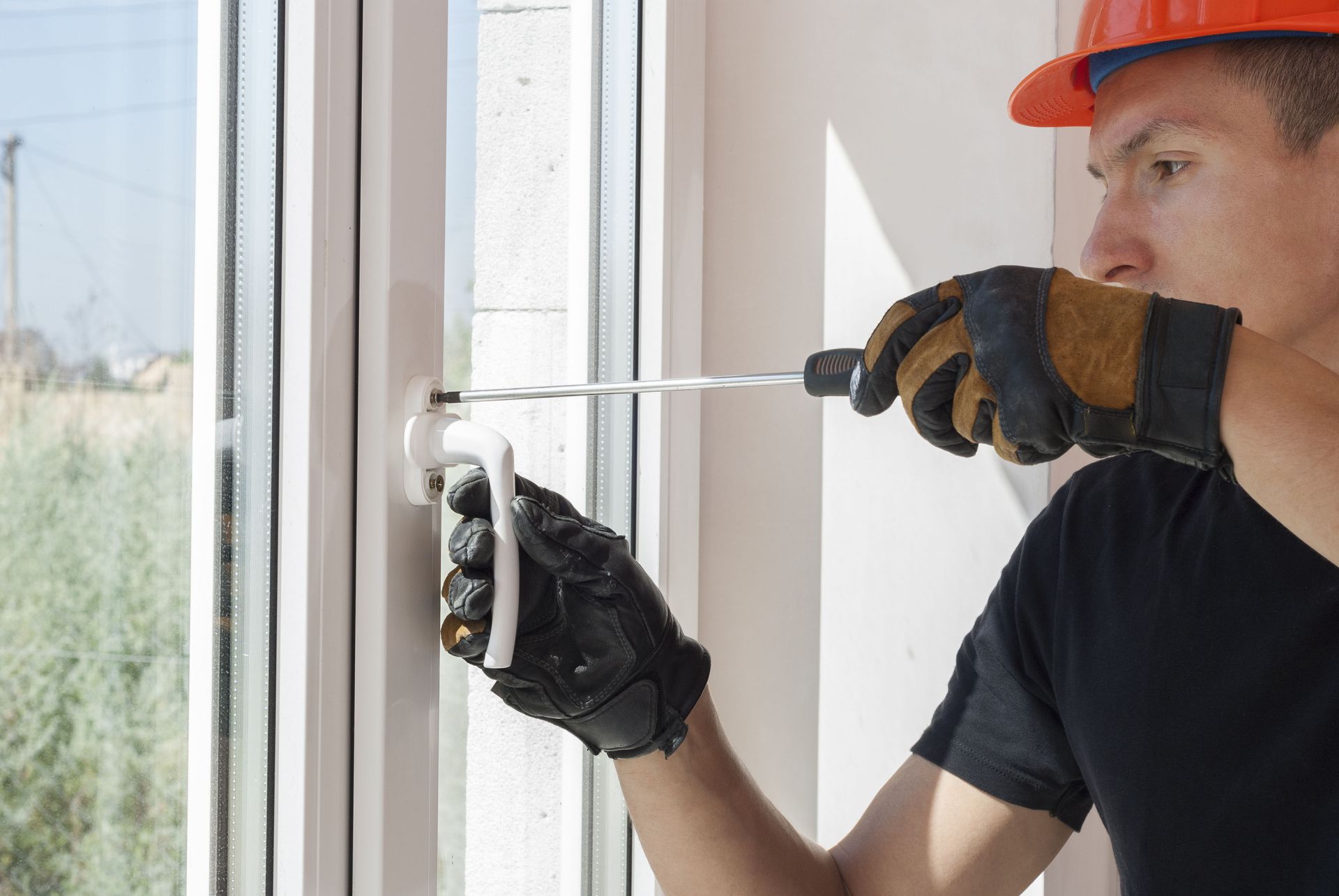
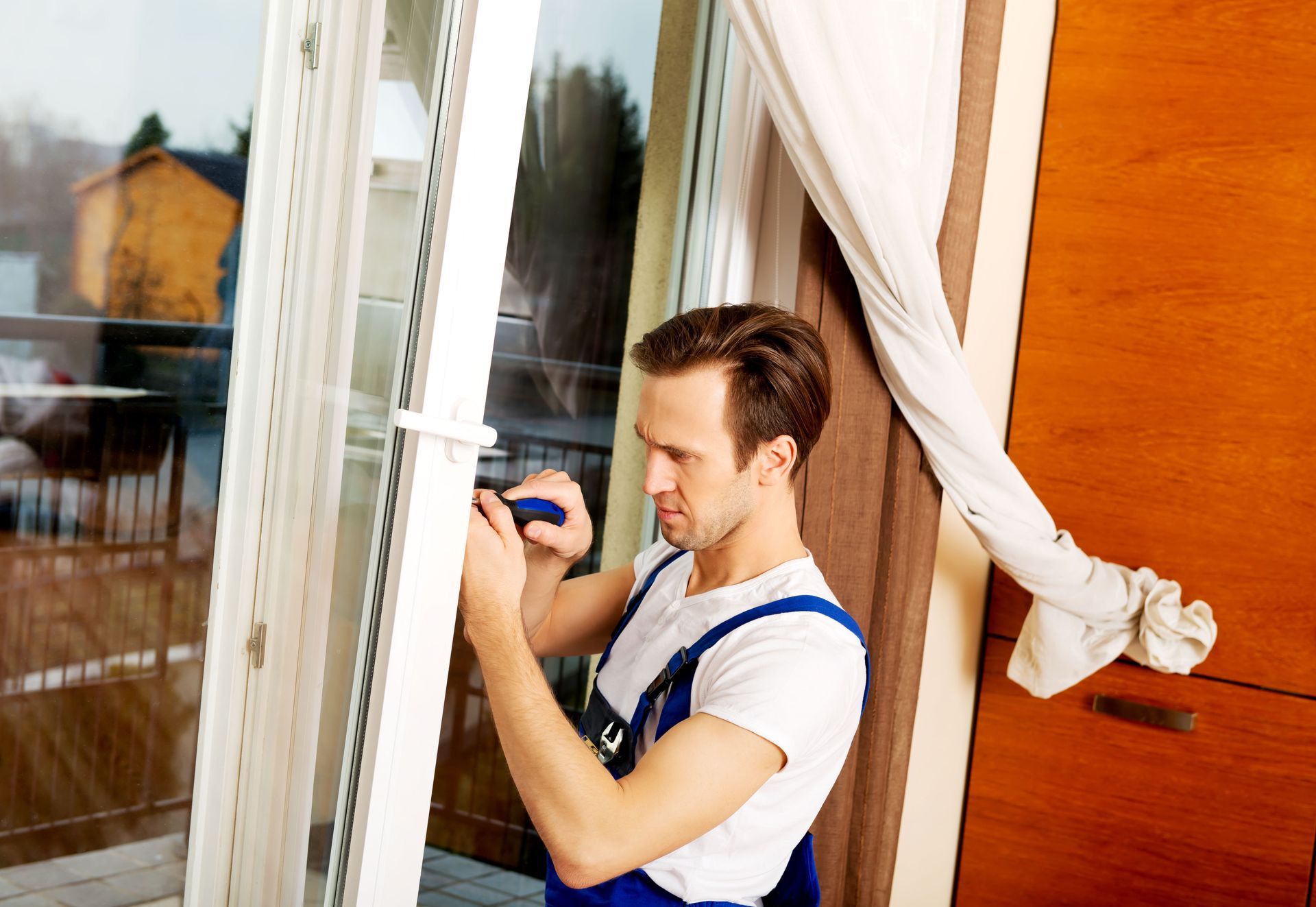
Consider the hardware associated with the glass as well. Sometimes the "glass problem" is actually a frame or track problem that puts undue stress on the pane. If the window is difficult to open or close, the torque applied to the frame can cause the glass to crack again shortly after a fix. A comprehensive approach involves fixing the underlying mechanical issues alongside the glass itself. By addressing the root cause of the damage, you ensure that your investment in the glass is protected from recurring stress fractures.
6. Comparing Professional Labor Estimates
Before signing a contract, it is vital to understand exactly what is included in the service. Not all technicians use the same grade of polymers or sealing agents. Requesting detailed quotes for glass repairs allows you to see the breakdown of material costs versus labor time. A significantly lower bid might indicate that the contractor is using inferior sealants that will degrade quickly under ultraviolet exposure. Quality craftsmanship in the glazing industry is often reflected in the transparency of the estimate and the thoroughness of the initial inspection.
Furthermore, a professional should be able to tell you when a repair is not in your best interest. An honest technician will point out rot in the wooden sash or corrosion in the aluminum frame that makes a glass fix a moot point. Relying on an expert's diagnostic skills helps you avoid the "sunk cost" fallacy, where you keep pouring money into a failing system. Checking references and looking for certifications in specialized glass handling ensures that the person working on your home has the technical proficiency to handle pressurized or heavy tempered units safely.
The decision to invest in the restoration of your windows is one that affects your home's safety, beauty, and efficiency. By carefully weighing the severity of the damage, the historical importance of the glass, and the long-term financial implications, you can make a choice that aligns with your property goals. Whether it is a simple resin fill for a stray pebble chip or a complex restoration of a heritage pane, the right approach preserves the value of your most significant investment.
When the clarity of your view is at stake, you need a team that understands the delicate science of glazing. For expert assistance and reliable service, contact Glass + Screen Hospital to restore the integrity of your windows today.