October 30, 2026
Automotive glass plays an essential role in driver visibility, passenger protection, and vehicle safety. When a windshield becomes chipped or a side window breaks, addressing the damage promptly helps protect the vehicle and maintain clear visibility. As drivers recognize these concerns, professional glass repair companies continue to provide an important service. Understanding the reasons behind growing repair needs can help vehicle owners recognize damage, evaluate their options, and make informed decisions about maintaining their vehicles.
Understand the Importance of Automotive Glass
Automotive glass provides more than a clear view of the road. Windshields and windows help protect occupants from debris, weather, and outside hazards. A damaged windshield can interfere with visibility, particularly when sunlight or headlights reflect off cracks and chips. Even minor damage deserves attention because temperature changes and road vibrations can cause existing imperfections to spread.
Windshields can also contribute to a vehicle's structural integrity and support proper airbag deployment, depending on its design. Damage may compromise these functions, making professional assessment important when cracks, chips, or other defects appear. Drivers should not assume a small imperfection is harmless simply because it does not immediately obstruct their view.
Side and rear windows serve equally important purposes. They help drivers observe surrounding traffic, protect passengers from outside conditions, and maintain a secure cabin. When these windows break, the interior becomes vulnerable to moisture, dirt, and theft. Prompt professional attention can restore protection and help drivers return to normal vehicle use.
Recognize the Causes of Repair Demand
Road conditions contribute significantly to automotive glass damage. Loose gravel, stones, construction debris, and other objects can strike windshields while vehicles travel along busy roads. Resulting chips may initially appear insignificant, but temperature changes and additional impacts can cause them to spread. Arranging an assessment promptly may preserve repair options and prevent further deterioration.
Weather can also affect vehicle glass. Hail, falling branches, severe storms, and sudden temperature changes can damage windows or worsen existing imperfections. Parking beneath trees or driving through areas with loose road debris may increase exposure to certain hazards. Although drivers cannot eliminate every risk, careful driving and thoughtful parking choices can help reduce unnecessary damage.
Everyday incidents create additional repair needs. Minor collisions, attempted break-ins, and accidental impacts can leave windows cracked, shattered, or difficult to operate. Broken glass may expose the vehicle interior to weather and create security concerns. Because automotive glass protects occupants and supports visibility, drivers should arrange an assessment instead of ignoring damage that could become more serious.
Evaluate Professional Repair Options
When automotive glass becomes damaged, determining whether repair or replacement is appropriate is an important first step. The decision depends on the location, depth, size, and severity of the damage. A small chip in a suitable area may be repairable, while extensive cracking or damage affecting the driver's direct line of sight may require replacement. A professional assessment helps establish the appropriate solution.
Repairing suitable damage can preserve the original windshield and reduce material waste. The process generally involves applying specialized materials to the affected area to restore stability and improve appearance. Although repairs may not make every imperfection completely invisible, they can help prevent further spreading when the damage is suitable for treatment.
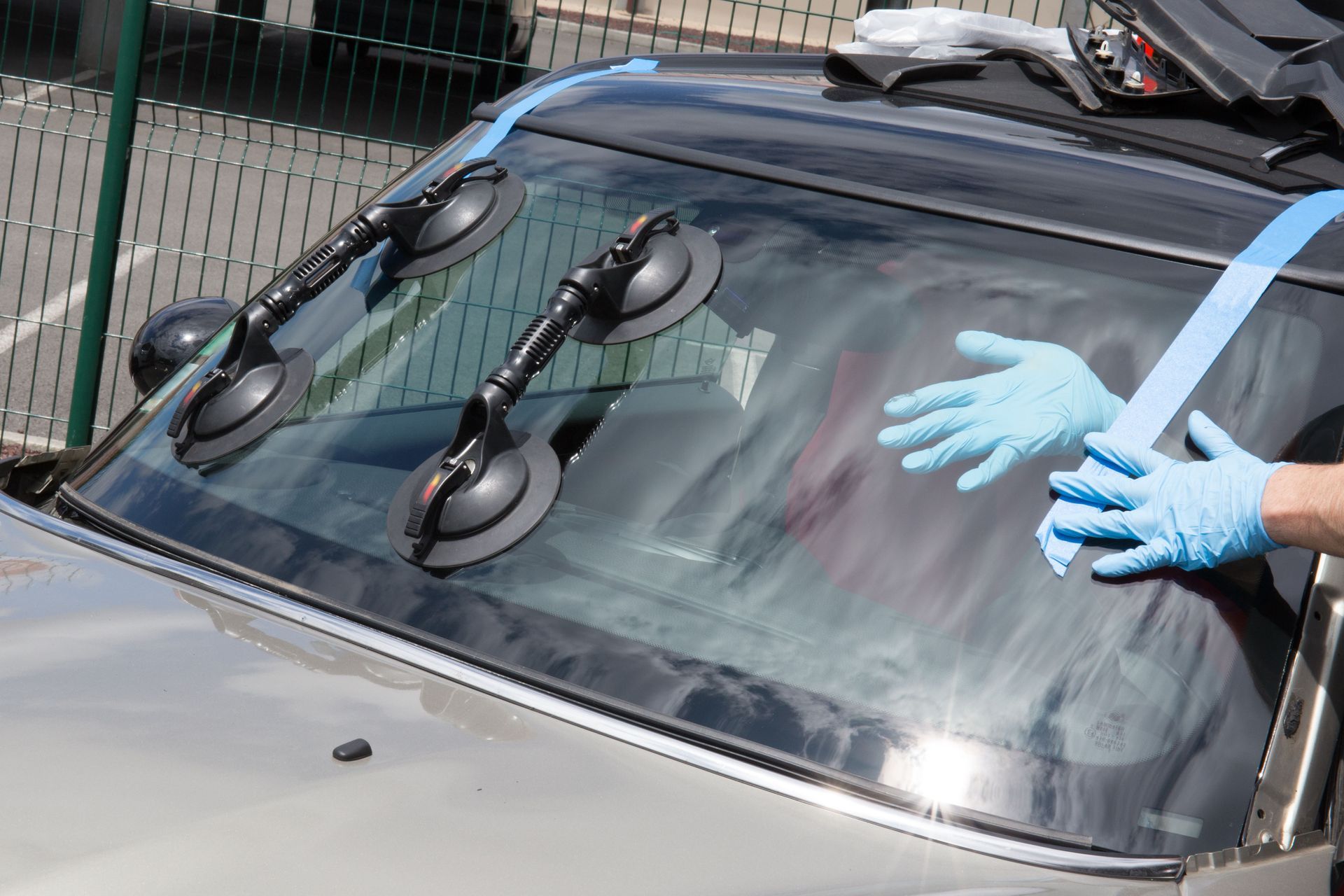
Replacement becomes necessary when damage is too extensive for a reliable repair. A technician removes the damaged glass, prepares the surrounding area, and installs an appropriate replacement. Proper installation matters because the windshield must fit correctly and maintain an effective seal against moisture and outside elements. Following manufacturer recommendations helps support dependable performance.
Drivers should avoid choosing a provider based on price alone. Glass repair companies may differ in their experience, materials, installation procedures, and customer service. Asking about repair recommendations, replacement options, warranties, and installation requirements helps vehicle owners understand their choices.
Consider Modern Vehicle Safety Technology
Automotive glass services have become more complex as vehicle designs incorporate additional technology. Some vehicles use advanced driver assistance systems with cameras and sensors positioned near the windshield. These systems may support lane departure warnings, collision alerts, and automatic emergency braking. When a windshield is replaced, certain vehicles require camera calibration to help ensure these features function as intended.
Calibration requirements vary according to the vehicle's design and equipment. Drivers should ask whether their vehicle requires this service before authorizing a replacement. A qualified technician can explain the necessary procedures and whether calibration will be completed during the appointment or arranged separately.
Glass quality and installation methods also influence safety. Replacement materials should meet the specifications appropriate for the vehicle, and technicians should follow suitable installation procedures. An improper fit, inadequate bonding, or poorly applied sealant can contribute to leaks and other problems.
As vehicle technology evolves, drivers benefit from professionals who understand both traditional glass installation and newer automotive requirements. Asking informed questions before work begins can prevent misunderstandings and clarify which services are necessary. This preparation helps vehicle owners make decisions based on safety rather than selecting a service solely because it appears convenient or inexpensive.
Compare Providers and Industry Demand
The automotive glass repair market includes businesses offering windshield repairs, complete replacements, side window services, and related solutions. According to IBISWorld, the U.S. has 11,004 businesses specializing in auto glass repair and replacement. This industry presence reflects the continuing need to address vehicle glass damage across different driving environments and vehicle types.
However, the availability of providers does not mean every business offers identical services or expertise. Some specialize in particular vehicle types, while others offer broader automotive glass solutions. Appointment availability, replacement material options, and familiarity with modern vehicle technology can influence which provider is appropriate for a particular repair.
When comparing glass repair companies, consider how clearly each business communicates its recommendations. A professional provider should explain whether damage appears repairable, describe the reasoning behind a proposed replacement, and outline relevant installation requirements.
Warranty information deserves attention as well. Ask whether the provider offers coverage for its work and what circumstances the warranty includes. Compare pricing alongside service quality, materials, and installation practices. Evaluating these factors together helps drivers select a provider that offers appropriate solutions instead of automatically choosing the lowest estimate.
Maintain Automotive Glass After Service
Once damaged glass has been repaired or replaced, routine care can help preserve its condition. Drivers should follow the technician's instructions, particularly after windshield replacement. Depending on the installation materials, the vehicle may need time before the adhesive reaches the required strength.
Regular visual inspections can help drivers identify new damage before it becomes more difficult to address. Watch for chips, spreading cracks, moisture around window edges, and changes in visibility. If a windshield develops a new imperfection, arrange a professional assessment rather than attempting an improvised repair. Appropriate materials and techniques are important for achieving reliable results.
Cleaning automotive glass with suitable products and soft materials helps maintain visibility without unnecessarily scratching the surface. Avoid applying excessive pressure around damaged areas, and follow recommendations for caring for newly installed glass.
Drivers can reduce exposure to preventable hazards by maintaining a safe following distance on roads where loose debris is common. Choosing suitable parking locations during severe weather may also limit damage from falling branches.
Automotive glass repair helps drivers protect their vehicles, maintain visibility, and support safe driving conditions. Understanding common causes of damage, recognizing when professional attention is necessary, and comparing providers carefully can make the repair process easier. When chips, cracks, or broken windows need attention, contact Glass + Screen Hospital to discuss your automotive glass needs and find a practical solution for getting back on the road with confidence.